YawnIQSleep stories
Sleep Stories for Kids: Slow, Calm Audio for Ages 3–11
A good sleep story doesn't try to be exciting. It's slow, a little bit predictable and gently dull in the best way, so a busy mind has something soft to follow on the way to sleep. Here's what to look for, and how to make audio bedtime stories part of a calm routine.
This guide is for parents of children aged 3 to 11 who'd like a calm alternative to screens at bedtime, or a gentle last step after the lights go down.
What makes a story a sleep story?
Daytime stories are built to keep children listening: twists, peril, a big finish. A sleep story does the opposite. It's designed to be easy to drift away from. The best ones share a few things:
- A slow, steady pace. Fewer words per minute, with room to breathe between sentences.
- One calm voice. Low, warm and even, with no sudden changes in volume or character voices that make children sit up.
- Very little happens. A walk home, a boat drifting, a lantern being lit. Gentle journeys rather than adventures.
- No cliffhanger. Nothing to wait up for. The story winds down rather than building up.
- A soft ending. Ideally the voice fades into quiet music and then silence, so there's no jolt when it stops.
- Repeated words and rhythms. Familiar phrases are soothing, especially for younger children.
Matching sleep stories to your child's age
Ages 3–5
Short sentences, lots of repetition, friendly characters and simple breathing or body cues, like "smell the flower, blow the candle". Little ones often want the same story night after night. That's a good sign: familiarity is part of what makes it calming.
Ages 5–8
A gentle story with a simple structure children can follow, such as three soft steps from busy to still. Children this age often carry thoughts from the day into bed, so stories that let those thoughts "wait until morning" can help.
Ages 8–11
Older children can find "baby" stories off-putting, so look for calmer, more reflective stories that respect their age. Stories that help them notice and set down busy thoughts, or slowly relax from head to toe, tend to suit tired-body, busy-mind evenings.
How to use audio bedtime stories well
1 Make it the last step of the routine
The story works best after the practical jobs are done: bath, pyjamas, teeth, toilet, goodnight. Then lights down and the story on. It becomes the signal that the day is over. Our bedtime routine for kids shows where it fits.
2 Keep the volume low and the screen out of reach
Play it quietly, from a speaker or a device placed face-down away from the bed, so the story is something to listen to, not something to look at.
3 Stick with the same story for a while
Repetition is soothing. Let your child keep a favourite for a week or two before trying a new one, and resist the urge to keep things fresh.
4 Agree the rules once, in daylight
One story, then rest. Deciding this before bedtime, rather than negotiating it in the dark, keeps lights-out calm.
Audio stories or reading together?
Both have a place. Reading together is lovely connection time, and many families keep a picture book earlier in the routine. An audio story is a gentle way to step back at the end: your child gets a calm voice to follow while you say goodnight. On nights when you're running on empty, it can also mean bedtime still feels calm for everyone. For more ways to slow the evening down, see how to calm kids before bed.
About YawnIQ's sleep stories
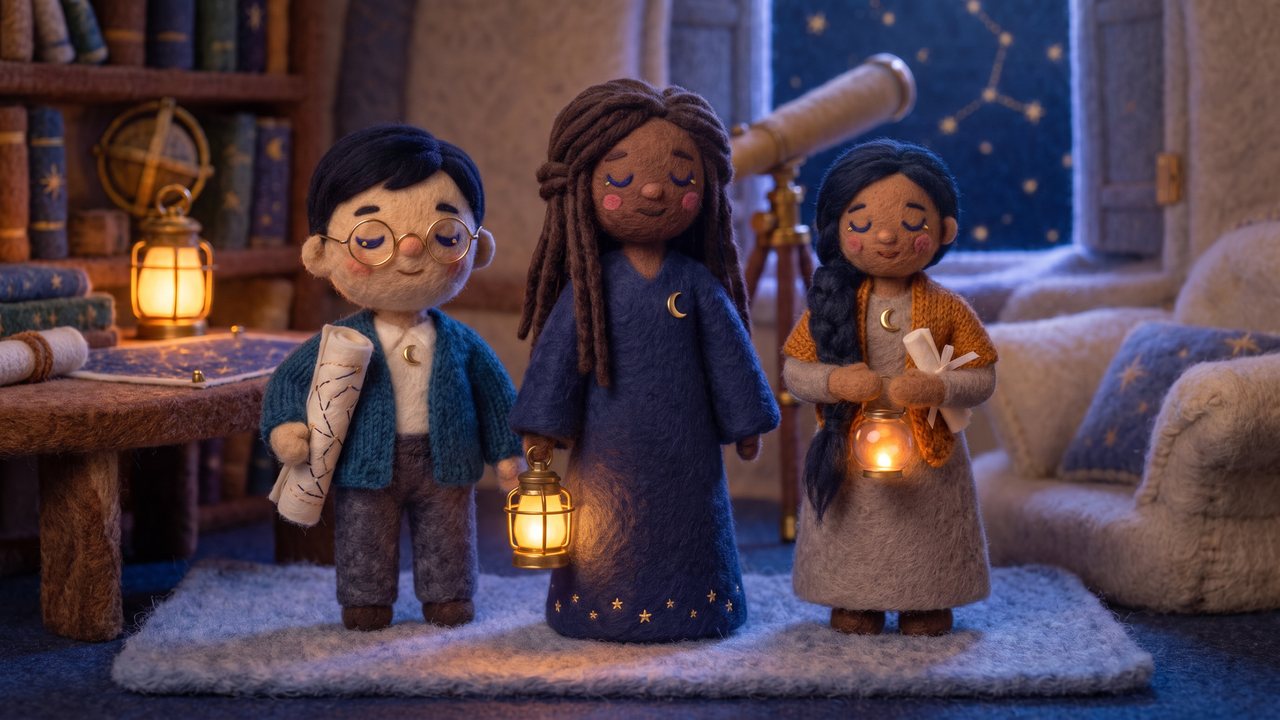
We made nine slow bedtime stories in three age bands: The Yawnies for ages 3–5, The Lantern Keepers for ages 5–8 and Night Academy for ages 8–11. Each one is 16 to 18 minutes in all: a soft opening tune, around 11 to 13 minutes of one calm AI voice over very quiet music, then about five minutes of music fading to silence. There are no sound effects, no cliffhangers, and every story ends with the same words: "You are safe. You are loved. Your body can rest now." You can meet the three story worlds, or hear a free 72-second sample on the free bedtime card and story page.
If you only change one thing
Choose one slow story and play it, quietly, as the very last step every night for two weeks. The familiarity is the point.
Frequently asked questions
What is a sleep story for kids?
A sleep story is a slow, calm story designed to help children wind down at bedtime. It has a gentle pace, a soft voice, very little action and no cliffhanger, so it's easy to drift away from.
Are audio bedtime stories good for children?
Many families find a slow audio story a calm way to end the routine, especially as an alternative to screens. Keep the volume low, keep any screen out of sight, and make the story the last step.
How long should a kids' sleep story be?
Long enough to settle into, without being rushed. There's no single right length: ours run 16 to 18 minutes, and the gentlest stories fade into quiet music rather than stopping suddenly.
Is it okay to play the same sleep story every night?
Yes. Repetition is soothing, especially for younger children, and a familiar story often becomes a cue that it's time to rest.
Can older children use sleep stories?
Yes. Children aged 8 to 11 often prefer calmer, more reflective stories that respect their age, with ways to set down busy thoughts or relax from head to toe.